There's rosemary, that's for remembrance. Pray you, love,
remember. And there is pansies, that's for thoughts.
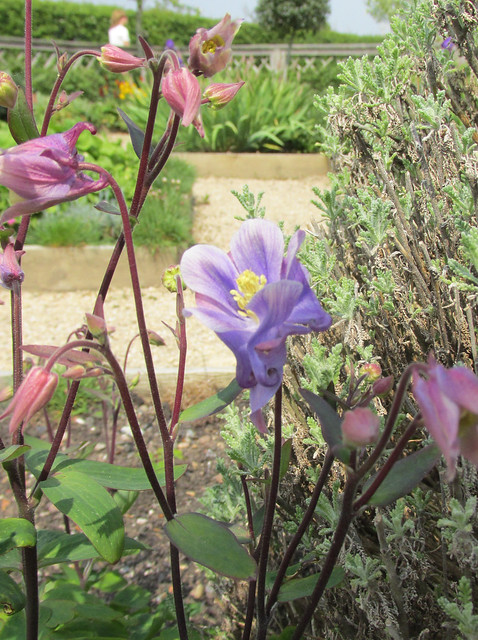
There's fennel for you, and columbines. There's rue for you,
and here's some for me. We may call it herb of grace o' Sundays.
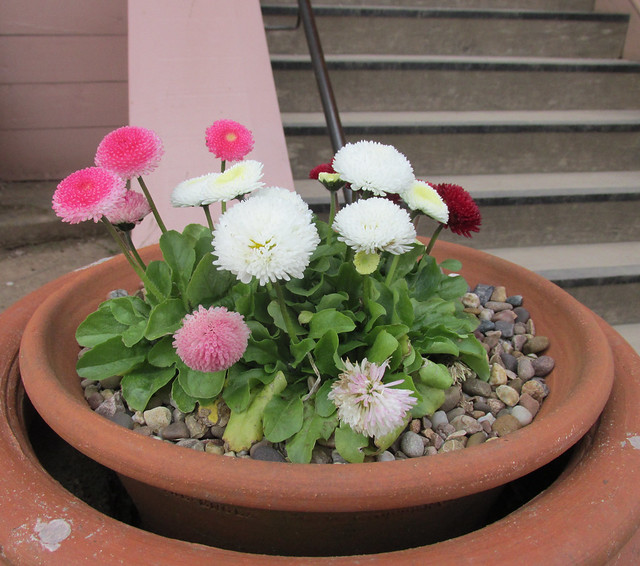
O, you must wear your rue with a difference! There's a daisy. I
would give you some violets, but they wither'd all when my father
died. They say he made a good end.
Of course Ophelia was quite mad, and grieving over her father's death, when she made this speech in Hamlet, but the fact that Shakespeare included such a rich and symbolic reference to flowers shows how important they were in Elizabethan culture.
I made a recent visit to Kenilworth's Elizabethan Garden and covered the archaeological and historical background in my other blog. What I didn't say much about was the variety of flowers and plants I found there.
The idea of using flowers as symbols goes back as far as the Old Testament of the Hebrew Bible. By Elizabethan times the social norms of the day prevented normal communications, particularly between potential lovers, so much was said using the code of floriography, or the language of flowers.
Robert Dudley's great garden of love has been reconstructed using contemporary sources to ensure its authenticity. It contains very many 'hidden' messages to the Queen he created it for. Here are some examples:

Let's start with the ones that Ophelia mentions. First rosemary. Like I said, she was madly remembering her father's death, but in Dudley's case this would have been to tell Elizabeth that she was always in his thoughts.


And finally we come to a bit of a cheat, because I'm going to talk about the hedges as one item, even though they have several species in them. Traditionally the hedges around Elizabethan knot gardens would have been box, but its meaning is stoicism, which isn't too romantic. True, Dudley had to be a bit of a stoic to keep up his pursuit of the queen's hand for as long as he did, even though he never succeeded, but that wouldn't have been too complimentary to her. So the hedges at Kenilworth include hawthorn and holly. Hawthorn stands for hope and holly for domestic happiness. How clear a message is that?
I've done a bit of research for this post, not just at Kenilworth itself but also online. Thanks to Wikipedia (as ever) but also to this page which refers to “The Garden of the Renaissance: Botanical Symbolism in Italian Painting” by Mirella Levi D’ancona.
Thanks as always to Amy at Love Made My Home for organising the Five on Friday . Take yourself off there to see what other people have to offer. Click here to be taken there.
