March 18, 2016

Five Pugin details

 It's Friday again and time to take part in Amy's Five on Friday meme. Click the image at the bottom of the post to be taken to her site and see other people's entries.

The Catholic Church of St Giles in Cheadle, Staffordshire is a fantasy structure with a richly decorated interior and gothic-esque exterior. The design is the work of one man - Augustus Welby Northmore Pugin. Although he contributed to many well known buildings, including the Houses of Parliament, there are very few places where he had sole control of the final design. It's stunning.


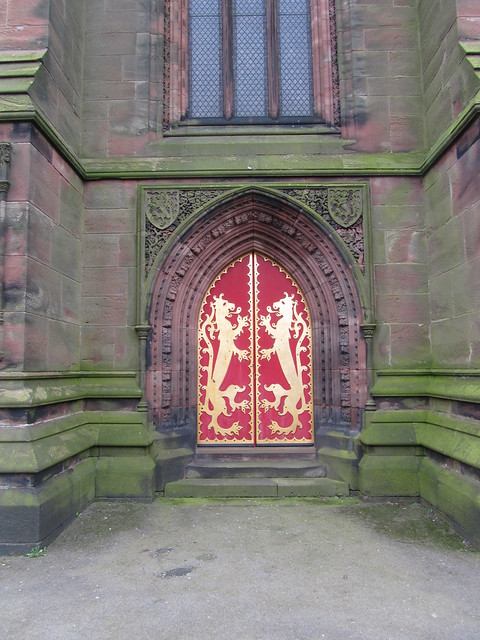
Let's start with the west door, before we go inside. Aren't those rampant lions wonderful? And all that gothic detail around the door is very reminiscent of the Middle Ages, even though St Giles was built in the 1840s.
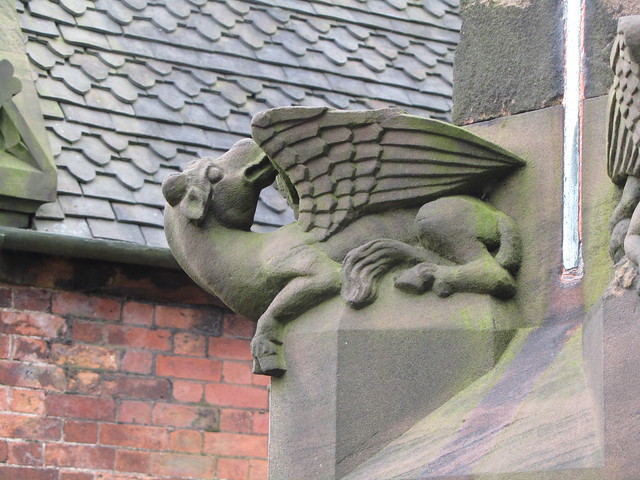
Here's another wonderful gothic detail from the exterior. I'm a sucker for a dragon and this one seems rather splendid to me.

Inside, every surface is covered in detailed decoration. This section of a pillar shows the complex letter Gs (for St Giles) incorporated in the design.

This shot shows just how much decoration the church has. No surface escapes. Every item is highly ornate and brightly coloured; painted and gilded and shaped into fantastic structures. There's a lot to take in.

And here's a part of the wall. showing how complex patterns are put side by side, adding to the myriad, contrasting styles that make up the whole. I love the colour and the cacophony and the impossibly crazy, mind blowing impression the building leaves you with.


Now click on the link below to visit Amy and her Five on Friday supporters.


March 11, 2016

Cow Parade

Visitors to my other blog will know that I visited Stoke on Trent a few weeks ago, where I found the wonderful Keiller collection of cow creamers at the Potteries Museum. If you want their history go to the other blog to find out more.

Meanwhile this is for Amy at Love Made My Home and it's a Five on Friday entry.  Click on the pic at the bottom to visit other people's blogs who join in with the meme.

So here's a few of my favourites from the cow parade.
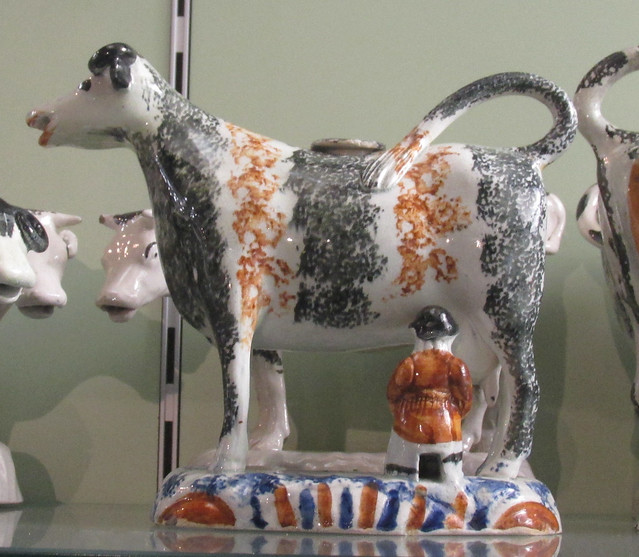
I liked this one because she looks so patient while she's being milked.  She's also looking straight ahead. Lots of the creamers have their heads turned one way or the other.

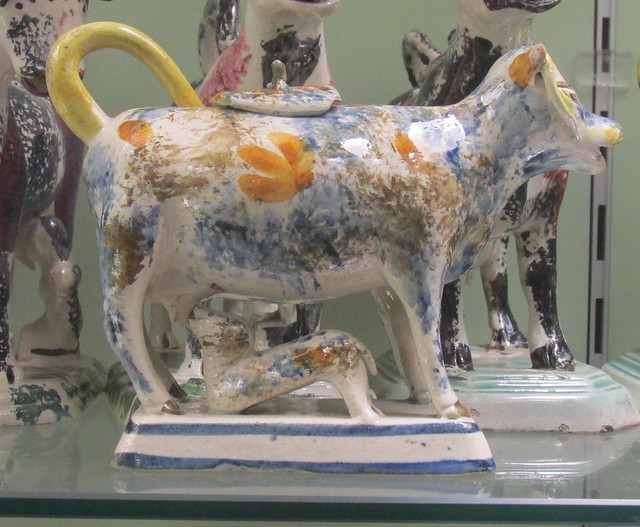
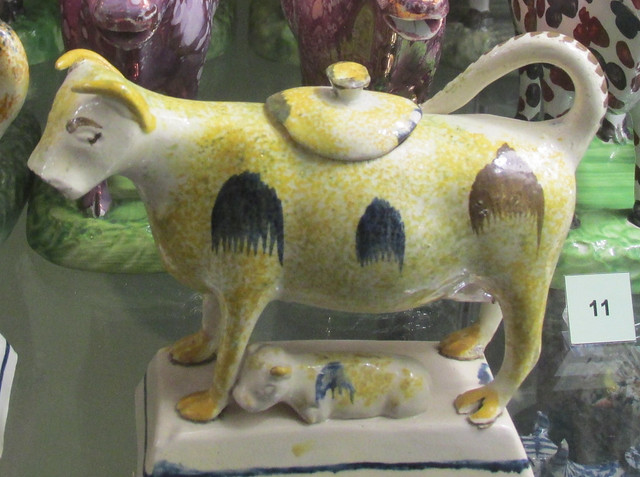
This cutie doesn't look quite so calm about being suckled by her own calf, but you have to admit, her floral pattern is rather sweet. I love the fact that her lid had a knob on top so it's easier to lift up to fill her with cream or milk.

After the feed, this mum is keeping a close eye on her calf - isn't it wonderful how she's looking down at him?  She looks a little worried. I hope he's OK.
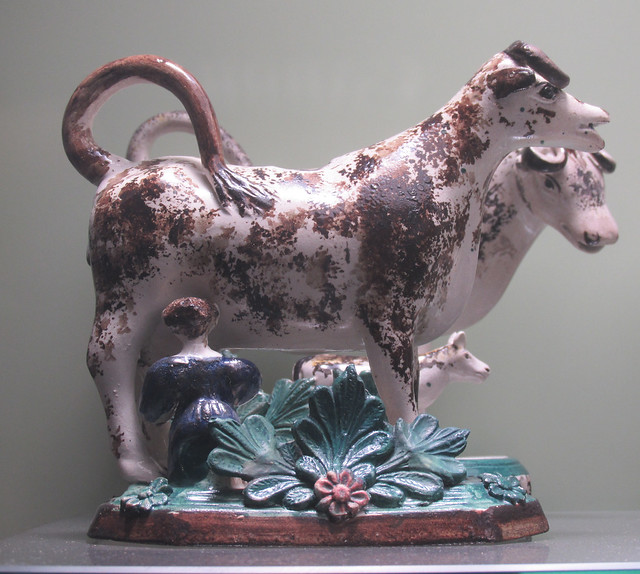
This example shows just how elaborate these creamers can be: two cows, a calf, shrubbery and a milkmaid!  I'm not sure it would be easy to pour from though.
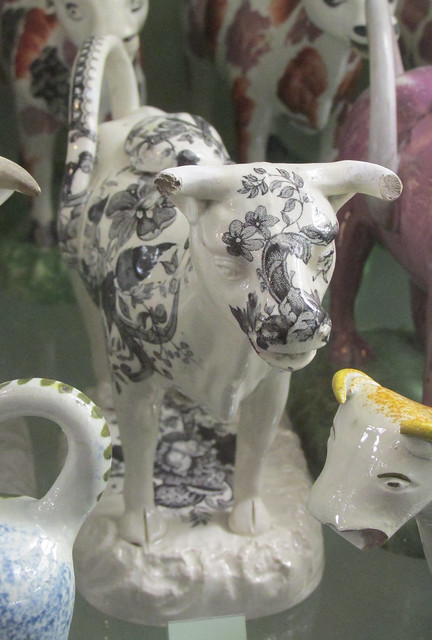
And this is my favourite. The museum runs a fund raising scheme in which you can adopt some of the cows, and this is Garten Bos, one of the potential adoptees. I almost bought an adoption pack, but maybe I'll drop some hints for upcoming birthdays and other celebrations.....

Now click on the link below to visit Amy and her Five on Friday supporters.

March 04, 2016

Five stiles for Friday

Here I am again with Five on Friday for Amy's meme. This week I'm taking a look at stiles - those wonderful contraptions that let you cross fences, walls and other boundaries. It's to link in to a post I've done this week on my other blog.
Don't forget to click the link at the bottom to visit other people's entries.

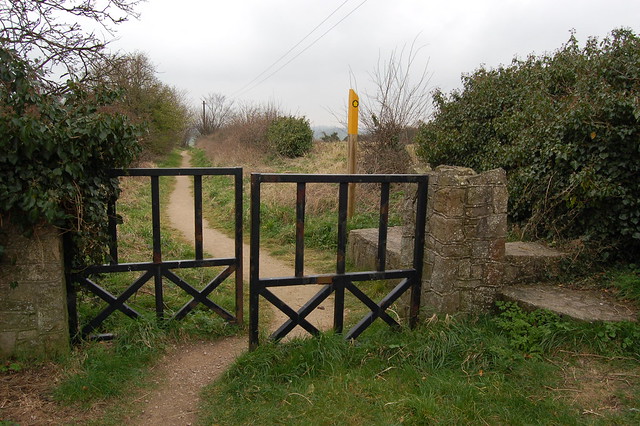
OK, so here's the first example. It might look like a gate, but those decorative ironwork pieces are fixed so you have to go around them and squeeze through the gap. It's a way of ensuring that livestock can't get out of a field, but humans have no trouble passing through. This one leads to the churchyard at Breedon on the Hill. (That's the one you can see as you drive up the M(A)42 through Leicestershire.)

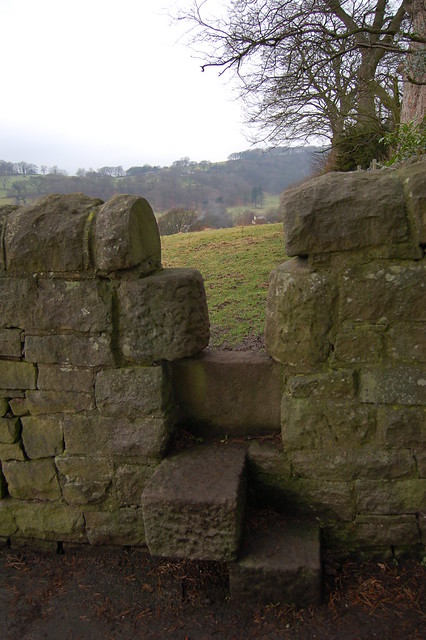
Here's a nice stone one from Hathersage in Derbyshire. There's plenty of millstone grit around that area to build sturdy examples like this. They're firm under the feet and easy to cross.

Here's a complex design from the National Trust property Calke Abbey (yes - Derbyshire again). That extra bit on the left with the three uprights is a lift-up section so dog walkers can let their pets pass underneath rather than trying to get them over the top. (Have you ever tried to get a dog to cross a stile?  It's why I have cats these days.)

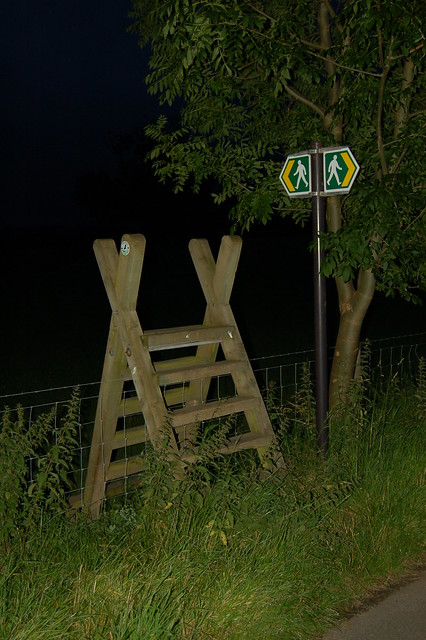
And this one's in Wales. Probably the tallest stile I ever saw! Those cross pieces at the top make it easy to climb though, because you have something to hold on to. It's near Ruthin

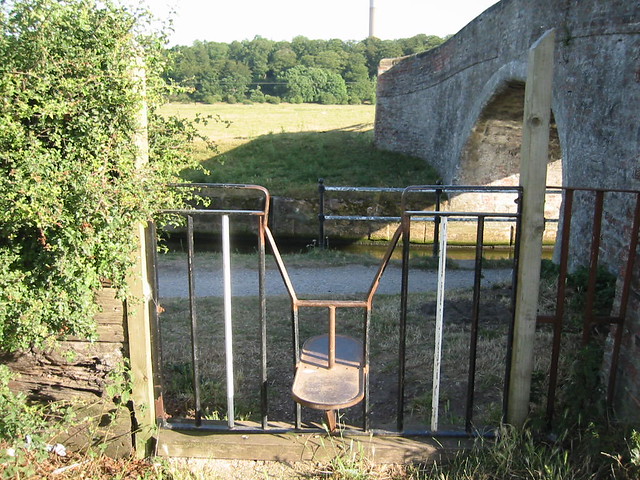
And this complex little number is, as you can see, next to a canal. The Trent and Mersey, to be exact, close to Trent Lock.  I'm not entirely sure whether it's Derbyshire or Nottinghamshire. The Trent is the boundary between three counties (including Leicestershire) at various places along this stretch and it's always hard to tell exactly where you are. The river is behind you at this point.


February 26, 2016

Five sundials

Here I am again with a post for Amy's Five on Friday meme. Link at the bottom, as always. Go visit other participants!

This week I'm doing sundials. I've been sorting out my photo collection and realised I have lots of pictures of them. Let me share a few....


First up is a fine example from Peterborough Cathedral. In this photo you can clearly see that sundials work 'backwards' - noon is at the bottom and the other hours go the opposite way from a clock. The sun that casts the shadow comes from above and moves from east to west, so it's obvious that they have to be that way round, but it makes me wonder why the early clock makers made them go the other way.  


Here's one from Whatton Gardens near Loughborough. I love its inscription "I mark no hours but the bright ones". Without sunshine a sundial doesn't work - so dark hours don't count!


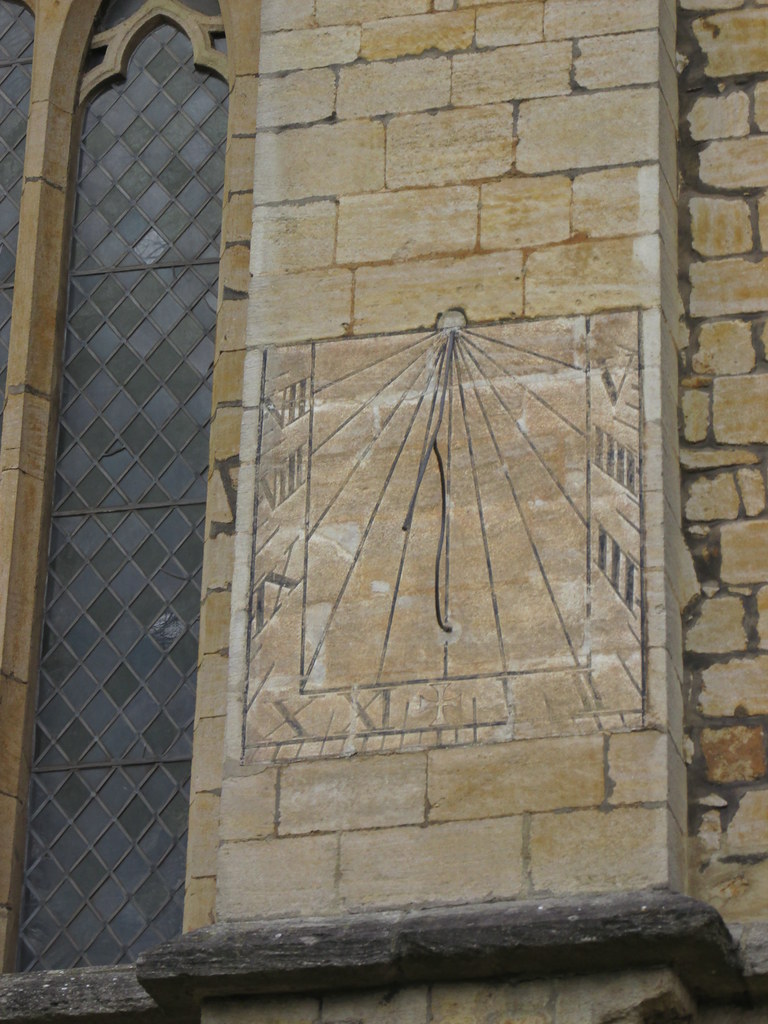
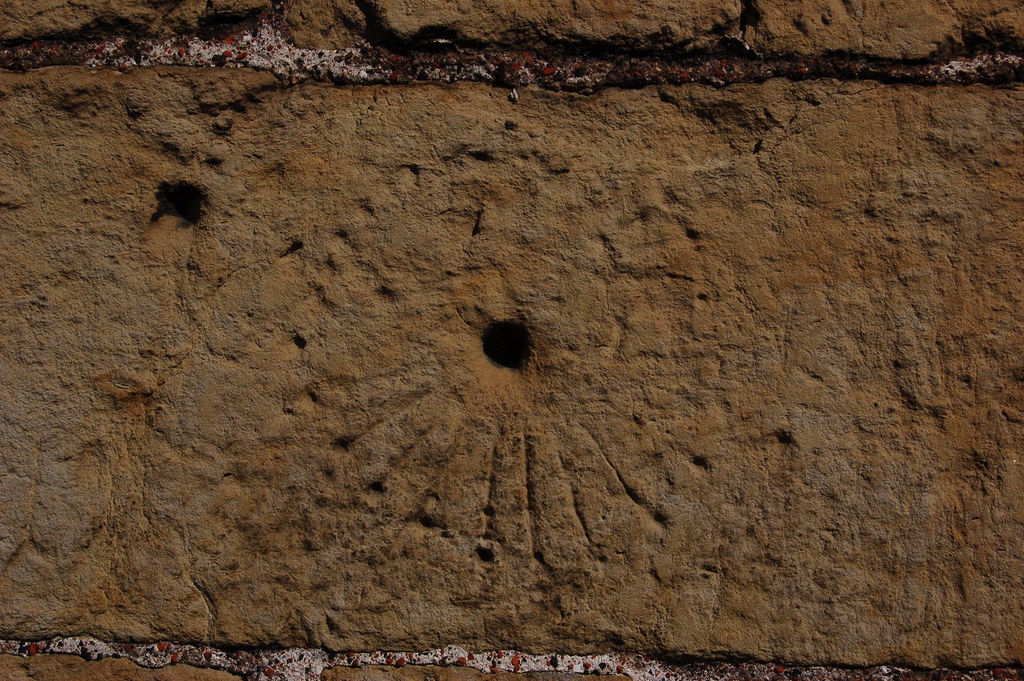
I really like this one. It's one of two on the outer wall of Rudston Church in East Yorkshire. I'm reliably informed that they are called scratch dials, and probably date from the Saxon era.  Rudston is a very important village - though it looks rather small and insignificant these days - with a long and varied history.  I'll do a long post one day on the other blog. Meanwhile take a look at the sundial. It has no gnomon (the bit that casts the shadow) and would have been worked by putting a stick in the hole.


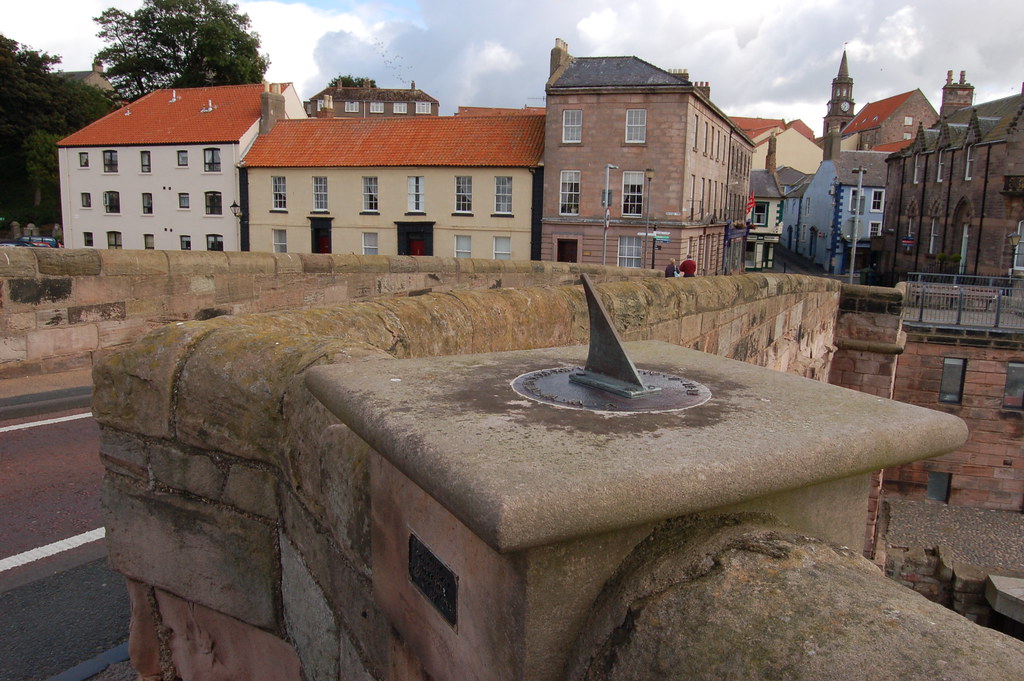
Long before the days of town clocks people still needed to know the time, so the worthies of Berwick Upon Tweed provided this handy piece for their residents on the end of a main thoroughfare bridge. 


And here's one of my personal favourites. It's at Norton Priory near Runcorn in Cheshire and was created by Bevis Sale.

February 23, 2016

Unpopular

This isn't going to make me popular, but I wish museums wouldn't work quite so hard at getting children to visit. I went to one at the weekend because I had a couple of hours to waste while my other half saw a friend in hospital. It was pouring with rain and I took what I thought was a sensible option to see a museum and art gallery. I forgot it was half term.

The place was heaving with annoying kids, running round, yelling, leaping on and off things and totally ignoring the 'don't touch' signs. OK, so a few of them were wandering round looking for things on an I spy sheet in a rather well thought out treasure trail, but the majority were just irritating.

And the parents were doing nothing to stop them being monsters. They probably all went home thinking they'd had a good day and contributed to their angels' education. But they weren't learning anything, they were just in the way. And noisy.

See, I told you I'd be unpopular!


February 19, 2016

Five green men

Here I am again joining in with Amy's Five on Friday  - and this week really IS her anniversary. I was a bit premature last week with my congratulations.   As before, there's a link at the bottom of the page to take you to her site to see who else has taken part.

This week I'm on the Green Man. I'm very keen on spotting this ancient symbol of the spirit of the woods. He turns up a lot in churches - even though he predates christianity by a very long time - but as my five choices show, he's not just found among dusty old architecture.
I'll start with a modern one. You can find this on a wall in Glastonbury, Somerset. Now there's a place you'd expect to find the Green Man in abundance, and you wouldn't be disappointed. But this is one of my favourites.

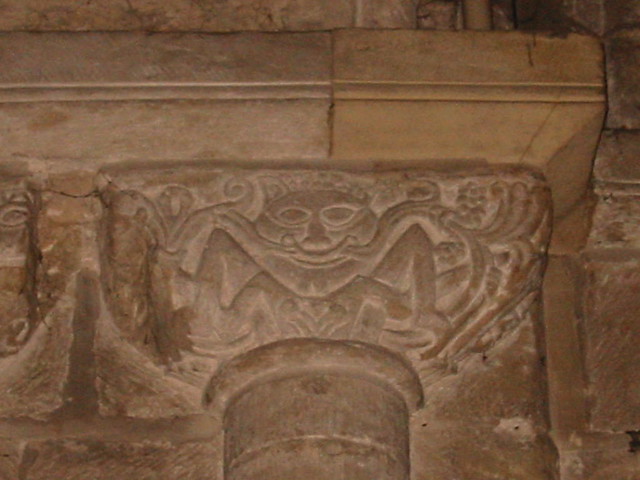
From the modern to the very old. The parish church of St Michael with St Mary at Melbourne in Derbyshire. There's a church mentioned in the village's entry in the Domesday Book (1086), but the present building is believed to be a little younger. (1133!) It certainly has some obviously Norman features and this Green Man possibly dates back that far.

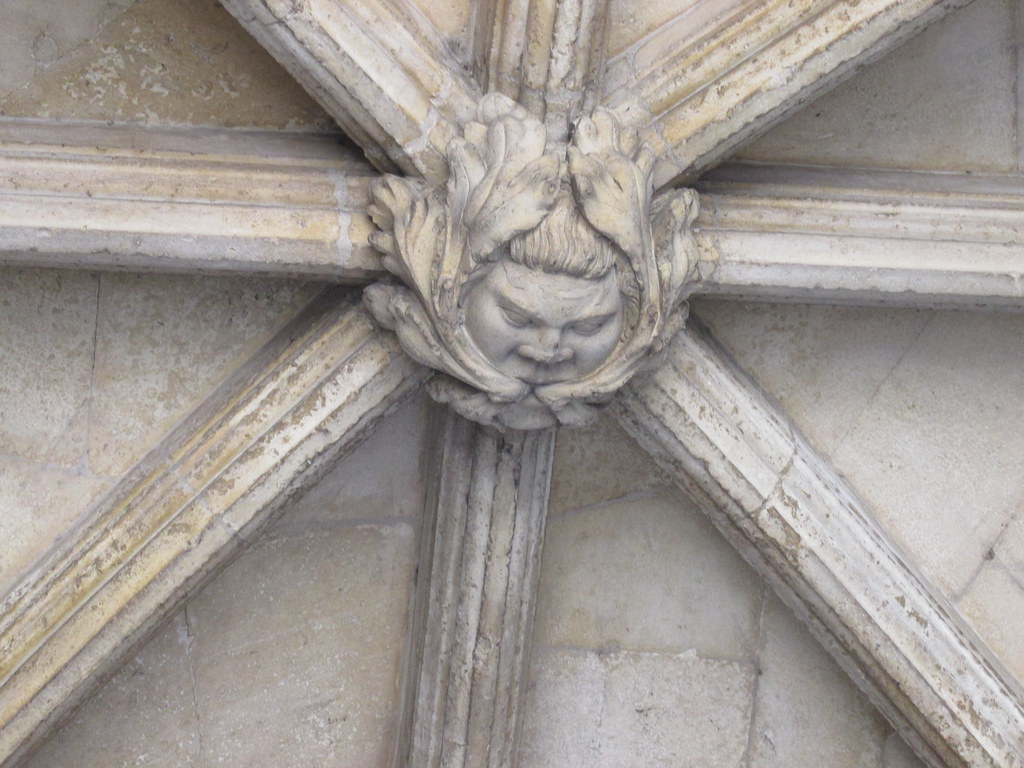
I found this one last year in Norwich, under an arch leading to the cathedral. Apparently there are several in the area, if you know where to look, including a lovely gilded one in the cloisters.

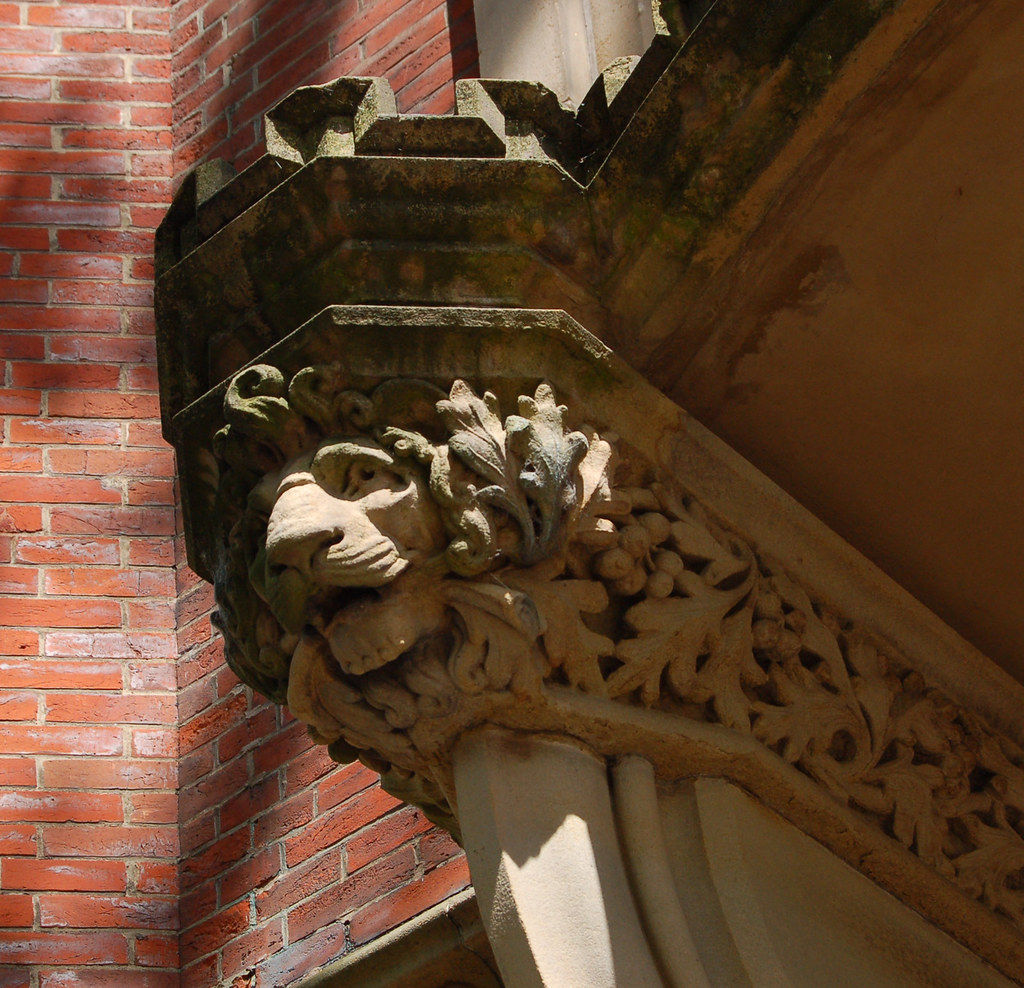
Of course, not all green men are men. This wonderful 'Green Lion' is in Sheffield, near the cathedral, though not on any church building. I think he's over the door of an insurance broker's.

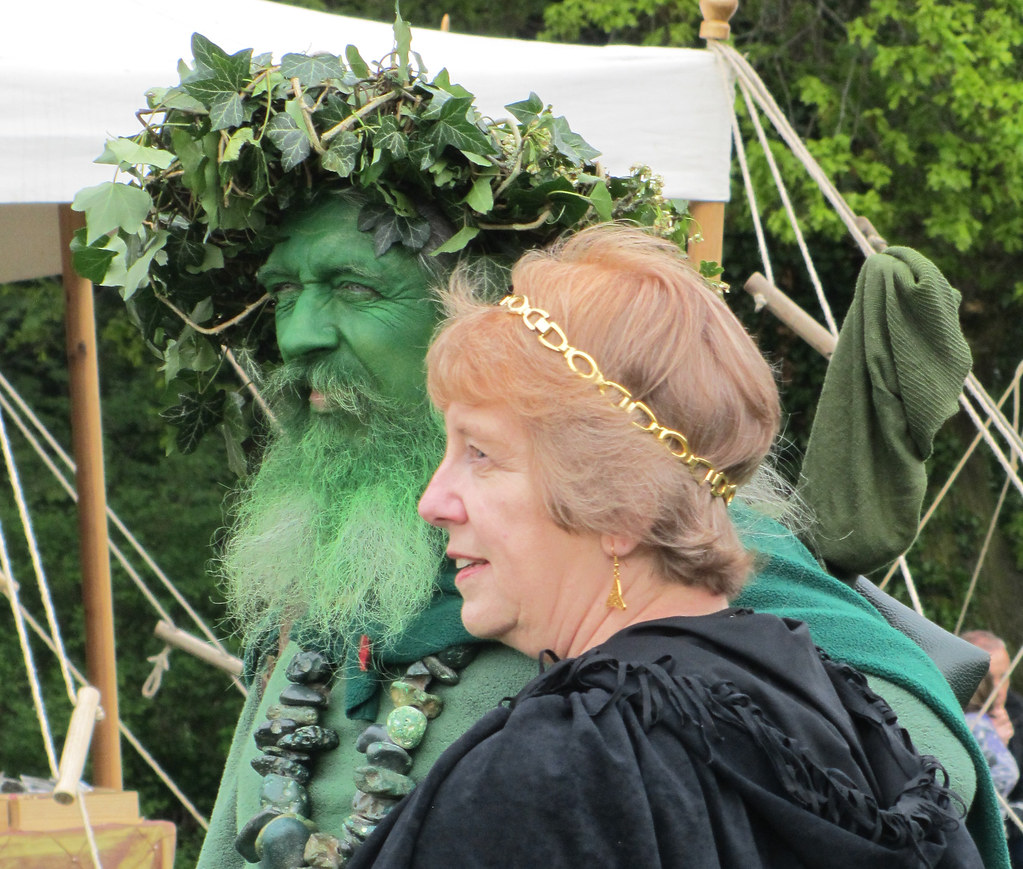
And here is possibly the most unusual of all. He's called Barry Patterson, and he spends much of his time travelling around as the Green Man (and the wild man of the woods and Mr Beetle) teaching schoolchildren about the environment and how to protect it. (He plays a mean bodhran drum too!) For more on his work click here.


February 16, 2016

Car Names

“Hey Henry. What are we going to call this monster?”

“Model T”

“Why?”

“Because it’s taken a few models to get it right and T is the next letter in the series.”

Unimaginative Henry Ford didn’t think he needed to give his new, mass-produced car a fancy name.  Model T isn’t the most attractive name to give a new product, but let’s face it, Old Henry didn’t have a lot of opposition when he started out in the motor trade. His attitude of “any colour you like as long as it’s black” doesn’t really suggest that his customers’ views were important to him.

But as demand for cars grew and more companies joined the battle for market share, designers had to become more creative.  They needed names for their vehicles that would make people choose their model over anyone else’s. And the whole idea of car marques started.

Take Rolls Royce, for example. Silver Ghost and Silver Cloud, Phantom, Wraith, told you that you were in for a smooth, silent and above all, opulent ride. Even the mascot was called Spirit of Ecstasy. British Leyland cars, however, were much more workaday. While the Triumph marque hinted at success, and the Morris Oxford and Austin Cambridge implied something upmarket, many others were known simply for their engine size.  My family owned a Morris 1000 and an MG 1100, to name but two of the cars the company offered.  There were some names that made more effort. Spitfire, for example, Stag, Marina, Princess, Allegro, Acclaim.  But Mini Moke?  And the MG Midget would probably be dismissed as politically incorrect these days.

There was a brief spate of naming cars after people, but the Ford Edsel, named after the company founder’s son, was a spectacular failure – notably because of its unusual ‘toilet seat’ grille design.  Mercedes was more of a success story.  That began as a side shoot of the Daimler-Motoren-Gesellschaft (DMG) company and was so-called by racing enthusiast Emil Jellinek who favoured the cars and competed under his daughter’s name – Mercedes.

A few spectacular mistakes have arisen in translation. The Mitsubishi Starion, for example, is believed to have arisen from a Japanese engineer’s inability to pronounce “stallion” correctly, although the company now says it’s a corruption of Star of Orion.  They renamed it Conquest for the US market though, so I don’t believe them!

So what of modern day cars; do the latest names follow a trend? Well, looking at some of them it’s hard to decide what on earth they mean. My researches have revealed some interesting explanations.
Take the Toyota Yaris, for example. Apparently it’s from an ancient Greek word symbolising beauty (Charis) and the German for yes –Ya – and is supposed to attract customers in Europe.  Didn’t it make you all go out and buy one?  No?  Me neither.

When it comes to attracting the European market Toyota has a long record of using western words without taking too much notice of whether the market will understand them.  Supra, Celica, Auris, Corolla, Prius, Corona, Avensis and Previa all derive their names from European or Latin words. If you want to know how, see Toyota’s blog by clicking here .

But what about some others -  Juke, for example. In Scots dialect it means to dodge, or feint, in sports such as boxing, or rugby. But it’s much more likely that Nissan chose it for its juke box connotations. They were named for a Gullah creole word meaning disorderly, or wicked, but are so well entrenched in modern parlance that the origin is irrelevant.

And what of the most perplexing of all, the Qashqai?  It’s apparently a group of nomadic people from around Qashqay in Iran. But it’s often referred to as the “cash cow” owing to the number of them sold making a mint for the company.


Personally, I drive a VW Fox.  (VolksWagen is an interesting name in itself – meaning car of the people.) It’s nippy, small, can get into some surprisingly tight spaces and is mainly designed for city use - a typical current-day fox habitat - so it’s well named.   But I’m sorry to say that I bought it because it was a good price.